The Hidden Benefits of Small-Scale Assisted Living for Senior Wellness
Business Name: BeeHive Homes of Taylor Ranch
Address: 6004 Whiteman Dr NW, Albuquerque, NM 87120
Phone: (505) 302-1919
BeeHive Homes of Taylor Ranch
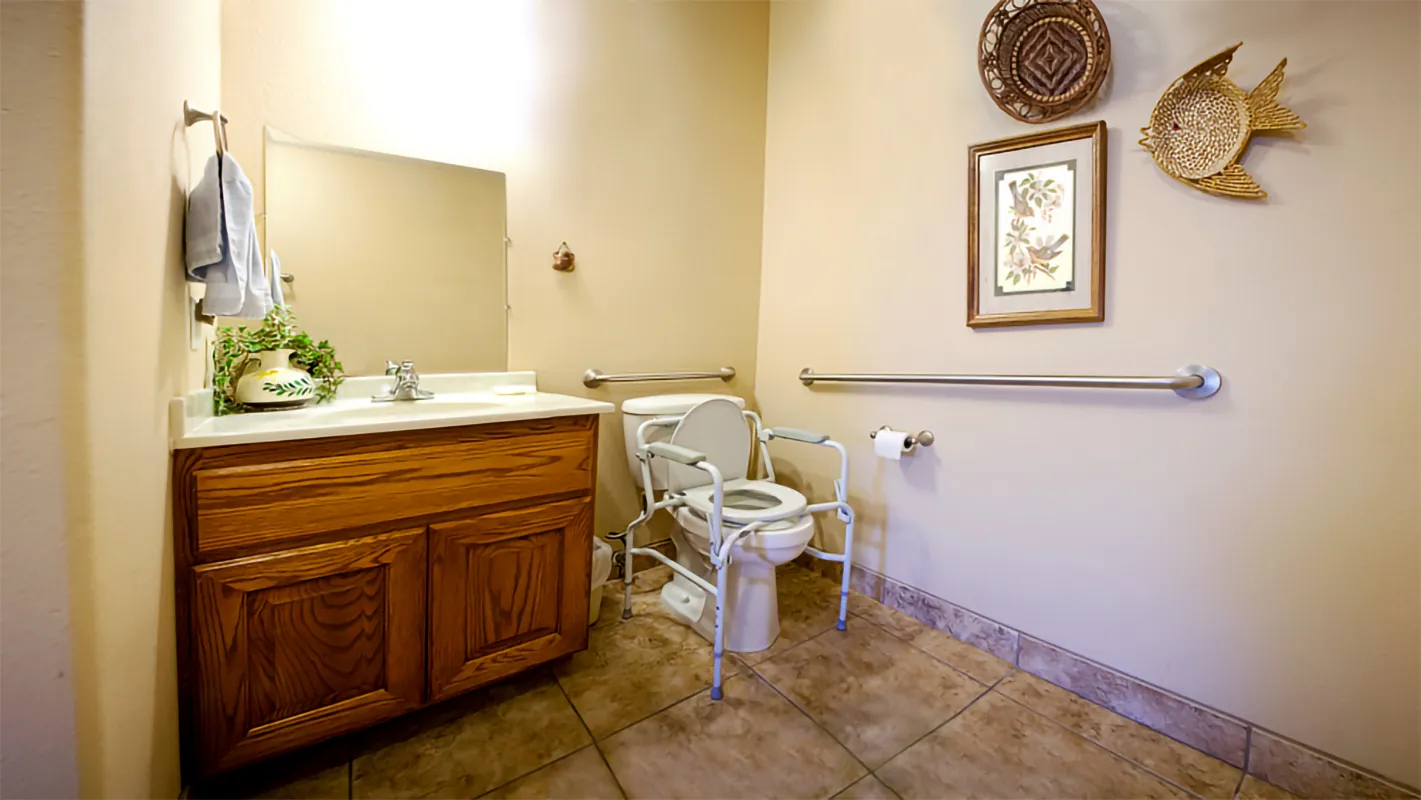
At BeeHive Homes of Taylor Ranch, New Mexico, we offer the finest assisted living experience available in a cozy, comfortable homelike setting. Each of our residents has their own spacious room with an ADA approved bathroom and shower. We prepare and serve delicious home-cooked meals three times a day every day. We maintain a small, friendly elderly care community. We provide regular activities that our residents find fun and contribute to their health and well-being. Our staff is attentive and caring and provides assistance with daily activities to our senior living residents in a loving and respectful manner. We would like to invite you to tour and experience our assisted living home and feel the difference.
6004 Whiteman Dr NW, Albuquerque, NM 87120
Business Hours
Families often begin their search for assisted living by visiting the big, hotel-like structures they see from the highway. High ceilings, marble floors, an activity calendar that looks like a cruise liner sales brochure. It can be remarkable, and for some older grownups, it works really well.
Yet a number of the strongest results I have seen in senior care took place in much smaller settings: 8 to 20 homeowners, a household-style kitchen area, personnel who know each resident's strolling rate, sleep patterns, favorite breakfast, even the method they like their towels folded.
This quieter side of elderly care does not get as much marketing, but it can exceptionally form quality of life, specifically for senior citizens who value familiarity, regular, and personal attention.
Small-scale assisted living is not the best answer for everyone, yet its benefits are typically ignored. Understanding those benefits helps households make decisions with more self-confidence, not just based on look or facilities, but on how a place in fact feels and operates day after day.
What "Small-Scale" Assisted Living Actually Means
The term "small" explains far more than the number of licensed beds. It generally refers to neighborhoods that look and run more like a home than a facility. That might indicate:
A single-story house transformed into certified assisted living with 6 to 10 residents.
A small, purpose-built building with 12 to 20 suites, shared living areas, and an open kitchen. A cluster of a number of small homes on one school, each with its own care team.The core concept is that citizens reside in a setting that feels individual and manageable, not like a hotel or a health center. Hallways are much shorter, personnel rotations are smaller, and day-to-day routines are much senior care easier to tailor. Member of the family typically explain the difference as "understanding everybody" instead of "finding out a system."
From a regulative perspective, these homes meet the very same security and care standards as bigger assisted living facilities. The difference lies in scale, culture, and the day-to-day interactions between locals and staff.

Why Size Matters More Than Households Expect
When we talk about elderly care, we typically concentrate on services: medication help, aid with bathing, meals, transport. All of that is important. But the size and design of a neighborhood silently shape nearly everything else that matters for wellness.
In smaller assisted living settings, numerous patterns appear again and again.
Less overstimulation, more calm
Large neighborhoods can feel busy and loud: paging statements, cleaning devices, crowded dining rooms, several activities performing at when. Numerous locals delight in that level of energy. Others, especially those coping with dementia, hearing loss, or stress and anxiety, find it exhausting.
In a small home, there might be one primary common location and a table that seats everybody. Discussions blend into a hum rather than a holler. For homeowners vulnerable to agitation or confusion, this can imply fewer behavioral symptoms and a higher determination to leave their space and participate in everyday life.
I still recall one female with advancing Alzheimer's disease who had been pacing and screaming in a 100-bed community. Staff did their best, but the layout and consistent activity appeared to activate her. Within a month of relocating to a 10-resident home, her daughter told us, "She still has bad days, but she sits at the table now. She really views what is going on rather of hiding from it." Absolutely nothing about her diagnosis changed; the environment did.
Familiar faces rather of rotating strangers
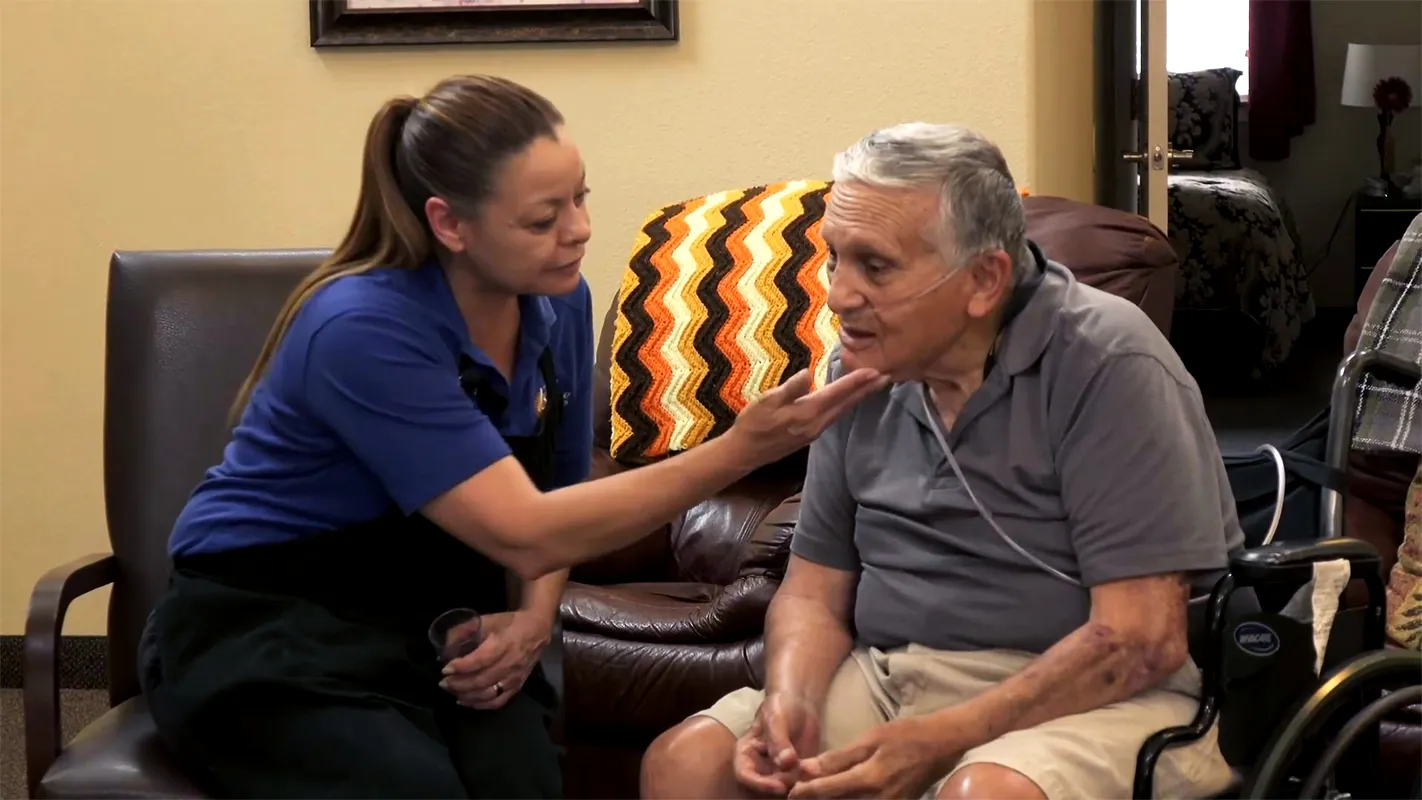
Senior care depends upon trust. A resident who trusts the person helping them shower is most likely to accept support, which straight impacts hygiene, skin health, and fall danger. Trust establishes quicker when the same couple of caretakers interact with a resident day after day.
In big centers, staffing is frequently organized by wing or floor, with regular reassignments based on staffing spaces. Night and weekend staff may be entirely different teams. Even well-run neighborhoods can have a hard time to keep continuity.
In a small setting, there are merely less people to keep an eye on. Residents get utilized to "the early morning person" and "the night person." Families know who to call about an issue and can acknowledge when someone new joins the group. That continuity usually causes earlier detection of subtle modifications, like lowered hunger, slower walking, or unusual sleep patterns.
Over years of observing care groups, I have actually seen small-home caregivers detect problems that might have gone undetected in other places: a resident who only limps at nights, or a quiet withdrawal that signals the start of anxiety instead of "simply aging."
Shorter distances, more secure mobility
Distance matters when every action brings a fall danger. In a sprawling structure, a resident might need to walk quite far to reach the dining-room or activity location. Lots of decide it is simpler to stay in their space, specifically if they feel unstable or embarrassed about utilizing a walker.
In small assisted living homes, all common areas are normally within a short, direct walk. The kitchen area, living space, and table are frequently central and visible from a lot of bed rooms. That style naturally encourages movement. Homeowners are more likely to join meals, remain in the living-room after consuming, and engage with personnel and neighbors.
Indirectly, this lowers social isolation, which is a genuine chauffeur of cognitive decline and mood conditions in older grownups. A brief corridor can be the distinction in between "I will go see what smells so good in the kitchen area" and "I will just remain in bed."
How Daily Life Feels Different in Small Homes
Families typically ask, "But will there suffice for Mom to do?" They picture large-group bingo video games and live music events. Those absolutely have value. Small-scale assisted living, however, normally leans into a different kind of engagement: common, meaningful, repeatable.
Imagine a normal morning in a small home. A caretaker is cooking eggs in an open kitchen, chatting with the 2 locals who always awaken early. Another resident wanders in, still in a bathrobe, and takes a seat with a cup of coffee. Someone folds laundry at the table, more as a social activity than a task. The tv is off or silently playing the news for those who care to listen.
Activities in this type of environment are often woven into the material of the day instead of scheduled as events. Baking, gardening in a small backyard, easy card games, checking out the newspaper together, or sorting buttons for someone with mid-stage dementia who needs a tactile job. Involvement tends to be more organic: citizens sign up with when they feel up to it, often for 10 minutes, often for an hour.
Large neighborhoods can, obviously, develop homelike routines, and some do it extremely well. However, small homes are structurally oriented around the kitchen area table and living room. The "activity space" is the exact same location where individuals consume and talk. That familiarity makes it simpler for more reserved or confused locals to wander in and out without seeming like they are intruding on a huge event.
The Subtle Health Advantages of Being Known
Good elderly care concentrates on more than avoiding crises. It aims to discover small deviations before they become emergency situations. Small-scale assisted living often has an edge here, just due to the fact that personnel can observe everyone more closely.
When there are 10 to 15 residents, the caregiving group usually understands:
Who usually eats everything on their plate and who is a light eater.
Who takes afternoon naps and who seldom rests during the day. Who showers in the morning versus the evening, and how they typically move while doing it.When something changes, it sticks out. A caregiver may observe that Mr. Z, who usually jokes with everybody, is unexpectedly quiet and avoiding dessert. Or that Ms. J, who always walks individually to the dining-room, now reaches for handrails more often. These hints often precede urinary system infections, heart concerns, or medication negative effects by days.
Is this impossible in a bigger neighborhood? Not. Lots of bigger assisted living suppliers train staff to track and report changes thoroughly. However the ratio of locals to personnel, integrated with the large volume of individuals moving through the building, makes that level of intimate familiarity more difficult to sustain consistently.
In a small community, a caretaker's psychological "map" of each resident is much easier to maintain and share throughout shift modifications. I have actually endured handoff meetings in small homes where personnel run down each resident in two or three minutes: consuming patterns, mood, bowel practices, mobility, and household updates. It is detailed, but it does not feel like a checklist, because they are describing individuals they know.
The Role of Respite Care in Small Settings
Respite care, whether for a few days or a few weeks, often acts as a trial run for long-lasting assisted living. Households utilize it when a primary caregiver requires surgical treatment, rest, or just a break from intensive care. The quality of that short stay can highly affect future decisions.
Short-term visitors often change more quickly in small homes. The reasons are useful and psychological:
There is less to discover. One front door, one main living room, one dining space.
Faces end up being familiar within a day or more. Both personnel and locals rapidly find out the newcomer's name. Daily regimens are fluid enough to accommodate existing habits, like a later wake-up time or an afternoon television show.From the family's point of view, respite care in a small assisted living home can seem like leaving a loved one with extremely engaged relatives instead of with an organization. You can often speak straight with the individual who will be handling medications or monitoring showers, instead of routing every question through a front desk.
Of course, capability is a restriction. Smaller suppliers may have less respite beds available, especially during peak times such as vacations. They likewise may need a minimum stay or have particular admission criteria, because adding even one person alters the characteristics of an extremely small family. Preparation ahead is important.
Still, when respite care works out in a small setting, it can alleviate enormous stress. I have seen spouses who had withstood outside aid for many years finally accept routine respite remains after experiencing how their partner thrived in a small, predictable environment.
Family Involvement and Communication
Families seldom select an assisted living community based on communication practices, but they quickly learn how vital those practices are. When you are not in the building every day, you depend entirely on staff to keep you informed.
Small-scale homes tend to offer more direct, informal communication. You call, and the individual who responds to the phone frequently knows your mother personally and can step away from the kitchen area or living room to address particular concerns. Households may receive texts or images from familiar caregivers. If you visit at random times, you typically see the very same core staff, not a continuous rotation.
This is not guaranteed, obviously. Some small operators are disordered or understaffed, simply as some large centers excel at structured, proactive interaction. But when small neighborhoods are run well, their size makes it much easier to keep personal contact. Problems rarely get lost in an intricate chain of command.
Families likewise tend to feel more comfy raising issues in small settings. When you know the administrator, nurse, and caretakers by name, it feels simpler to say, "Mom looked a bit off on Tuesday, did you notice anything?" or "Dad appears more confused after dinner, can we review his medications?" Good operators welcome this input. It often results in earlier interventions and more fine-tuned care plans.
Trade-offs: Where Larger Communities May Have the Advantage
It is important to be sincere about the constraints of small assisted living. Bigger is not instantly better, however it typically includes resources that small homes can not match.
Larger assisted living communities might provide:
- More on-site facilities, such as fitness centers, chapels, beauty salons, and several dining venues.
- A wider variety of official activities, including getaways, live entertainment, and specialized programs.
- Greater capacity to serve citizens who need higher levels of care, by utilizing more specific staff or on-site health providers.
- Transportation fleets for regular medical consultations, going shopping journeys, and group outings.
- More flexible room alternatives, from studios to two-bedroom apartment or condos with kitchenettes.
Families should not assume, nevertheless, that their loved one requires every possible feature. The essential question is whether those resources will really be used. A resident with innovative Parkinson's illness, who leaves their space mainly for meals and brief strolls, might benefit far more from a small, easily accessible environment and responsive caretakers than from a theater, a restaurant, and a daily excursions calendar.
For highly social, independent older grownups, especially those who drive or enjoy a packed schedule, a bigger setting might certainly be a much better fit. The ideal match depends upon character, health status, and what "a good day" reasonably looks like now, not what it appeared like ten years ago.
When Small-Scale Assisted Living May Not Be Ideal
Some circumstances really call for a larger or more clinically extensive environment.
If a senior has intricate medical requirements that brink on knowledgeable nursing, such as ventilator support, complex wound care, or regular IV treatments, a small assisted living setting might not be accredited or geared up to deal with them.
If a person thrives on large-group activities, range, and consistent novelty, the quieter rhythm of a small home may feel confining. I keep in mind a retired teacher who loved lecturing, arranging groups, and performing. She tried a small setting for a few months and felt uneasy. Transferring to a larger neighborhood with a resident council, choir, and active volunteer group matched her much better.
Cost can likewise be a factor. Small homes in some cases charge higher rates per resident, due to the fact that their staffing model is more intimate. On the other hand, some family-run homes are surprisingly affordable, specifically in rural or suburbs. Rates vary drastically by area, ownership, and level of care.
Finally, small settings can be vulnerable to turnover. If 2 crucial staff members leave at the same time, the character of the location may shift more significantly than in a big facility with layers of management. Households must take note not only to the existing group but to the stability of leadership and ownership.
How to Assess Small-Scale Options: A Practical Checklist
When you tour a smaller assisted living or respite care setting, you will likely discover right away whether it feels relaxing or confined, warm or disorganized. Beyond gut instinct, a few specific questions can help clarify whether the home is capable of supplying strong, sustainable senior care.
Here is a succinct checklist to bring with you:
- How numerous residents live here, and what is the normal staff-to-resident ratio on days, evenings, and nights?
- Who supervises medical issues, and how do they interact with families about changes or emergencies?
- What kind of training do caretakers get, specifically around dementia, fall prevention, and medication assistance?
- How are meals prepared and prepared, and can they accommodate particular dietary needs or preferences?
- What happens if my loved one's care requires increase? Can they remain here, or would we require to move again?
Listen not only to the content of the responses, however likewise to the tone. Do personnel discuss residents as individuals or as classifications? Are they particular when they explain daily regimens and care plans, or do they count on unclear reassurances?
Pay unique attention to how residents communicate with each other and with personnel during your visit. A fast shared joke in the corridor, a caregiver observing that somebody's sweatshirt has slipped off their shoulder, a resident asking for aid and getting it calmly within a minute or two: these micro-moments state more about the quality of elderly care than any brochure.
Balancing Head and Heart in the Final Decision
Choosing assisted living, particularly for someone you love deeply, is never ever simply a monetary or logistical choice. It is an emotional negotiation in between safety and autonomy, in between familiarity and needed support.
Small-scale assisted living welcomes a specific kind of compromise. Your loved one may give up a personal cooking area and the anonymity of a big building, but acquire an environment where their tiniest practices matter and their lack from the table is noticed within minutes. Relative might take a trip a little farther or accept fewer features, in exchange for day-to-day intimacy and responsiveness.
The hidden advantage of these small homes is not simply their size. It is the way scale shapes relationships: less people in the space, more possibilities to be seen and kept in mind, less distance in between the person who notifications an issue and the individual who can fix it.
For households weighing alternatives, the most beneficial question is frequently this: "If my loved one had a bad day here - confused, unsteady, refusing care - how would this specific group and layout impact what happens next?" In a small, well-run assisted living home, the answer usually involves familiar faces, quick acknowledgment of modification, and actions tailored to the individual, not the policy.
When that is the reality, many older adults do not simply live longer. They live much better, in ways that are peaceful, measurable in small details, and deeply significant to those who know them best.
BeeHive Homes of Taylor Ranch provides assisted living care
BeeHive Homes of Taylor Ranch provides memory care services
BeeHive Homes of Taylor Ranch provides respite care services
BeeHive Homes of Taylor Ranch supports assistance with bathing and grooming
BeeHive Homes of Taylor Ranch offers private bedrooms with private bathrooms
BeeHive Homes of Taylor Ranch provides medication monitoring and documentation
BeeHive Homes of Taylor Ranch serves dietitian-approved meals
BeeHive Homes of Taylor Ranch provides housekeeping services
BeeHive Homes of Taylor Ranch provides laundry services
BeeHive Homes of Taylor Ranch offers community dining and social engagement activities
BeeHive Homes of Taylor Ranch features life enrichment activities
BeeHive Homes of Taylor Ranch supports personal care assistance during meals and daily routines
BeeHive Homes of Taylor Ranch promotes frequent physical and mental exercise opportunities
BeeHive Homes of Taylor Ranch provides a home-like residential environment
BeeHive Homes of Taylor Ranch creates customized care plans as residents’ needs change
BeeHive Homes of Taylor Ranch assesses individual resident care needs
BeeHive Homes of Taylor Ranch accepts private pay and long-term care insurance
BeeHive Homes of Taylor Ranch assists qualified veterans with Aid and Attendance benefits
BeeHive Homes of Taylor Ranch encourages meaningful resident-to-staff relationships
BeeHive Homes of Taylor Ranch delivers compassionate, attentive senior care focused on dignity and comfort
BeeHive Homes of Taylor Ranch has a phone number of (505) 302-1919
BeeHive Homes of Taylor Ranch has an address of 6004 Whiteman Dr NW, Albuquerque, NM 87120
BeeHive Homes of Taylor Ranch has a website https://beehivehomes.com/locations/taylor-ranch/
BeeHive Homes of Taylor Ranch has Google Maps listing https://maps.app.goo.gl/VjePfgdypFLUTXAZ6
BeeHive Homes of Taylor Ranch has Instagram page https://www.instagram.com/beehivealbuquerquewest
BeeHive Homes of Taylor Ranch has an TikTok page https://www.tiktok.com/@beehivehomesalbuq
BeeHive Homes of Taylor Ranch has an YouTube page https://www.youtube.com/@hamiltonshives4468
BeeHive Homes of Taylor Ranch won Top Assisted Living Homes 2025
BeeHive Homes of Taylor Ranch earned Best Customer Service Award 2024
BeeHive Homes of Taylor Ranch placed 1st for Senior Living Communities 2025
People Also Ask about BeeHive Homes of Taylor Ranch
What is BeeHive Homes of Taylor Ranch Living monthly room rate?
Our base rate is $6,900 per month. We do an assessment of each resident's needs prior to move-in, so each resident's rate may be slightly higher. However, there are no "a la carte" charges or hidden fees. We do charge a one-time community move-in fee of $2,000
Does Medicare or Medicaid pay for a stay at Bee Hive Homes?
Medicare pays for hospital and nursing home stays, but does not pay for assisted living as a covered benefit. Some assisted living facilities are Medicaid providers, but we are not. We accept private pay, long-term care insurance, and we can assist qualified Veterans with approval for the Aid and Attendance program
Do we have a nurse on staff?
We do have a nurse on contract who is available as a resource to our staff but our residents' needs do not require a nurse on-site. We always have trained caregivers in the home and awake around the clock
What can you tell me about the food at Bee Hive?
You have to smell it and taste it to believe it! We use dietitian-approved menus with alternates for flexibility, and we can accommodate needs for different textures and therapeutic diets. We have found that most physicians are happy to relax diet restrictions without any negative effect on our residents
Do we allow pets?
We do allow small pets as long as the resident is able to care for them. State regulations also require that we have evidence of current immunizations for any required shots
Where is BeeHive Homes of Taylor Ranch located?
BeeHive Homes of Taylor Ranch is conveniently located at 6004 Whiteman Dr NW, Albuquerque, NM 87120. You can easily find directions on Google Maps or call at (505) 302-1919 Monday thru Sunday: 10:00am to 7:00pm
How can I contact BeeHive Homes of Taylor Ranch?
You can contact BeeHive Homes of Taylor Ranch by phone at: (505) 302-1919, visit their website at https://beehivehomes.com/locations/taylor-ranch/ or connect on social media via Instagram Facebook or TikTok
Residents may take a trip to the Boca Negra Canyon. Boca Negra Canyon offers a scenic Albuquerque destination where families visiting loved ones receiving Assisted living memory care senior care elderly care and respite care can enjoy an outdoor excursion.